

Reframe time, money, and mojo for people who build things and also take call.
New here? Every Saturday I take the week’s best idea in each of three buckets and cut it down to something you can read between patients.
I read the week so you don’t have to.
I’ve talked to many of you offline and you know I love Dan Hewitt’s Three Wins, so I thought to try to use that format on Saturdays for a bit.
Let’s go.
— Kevin
1. TIME
The part that didn’t get faster.
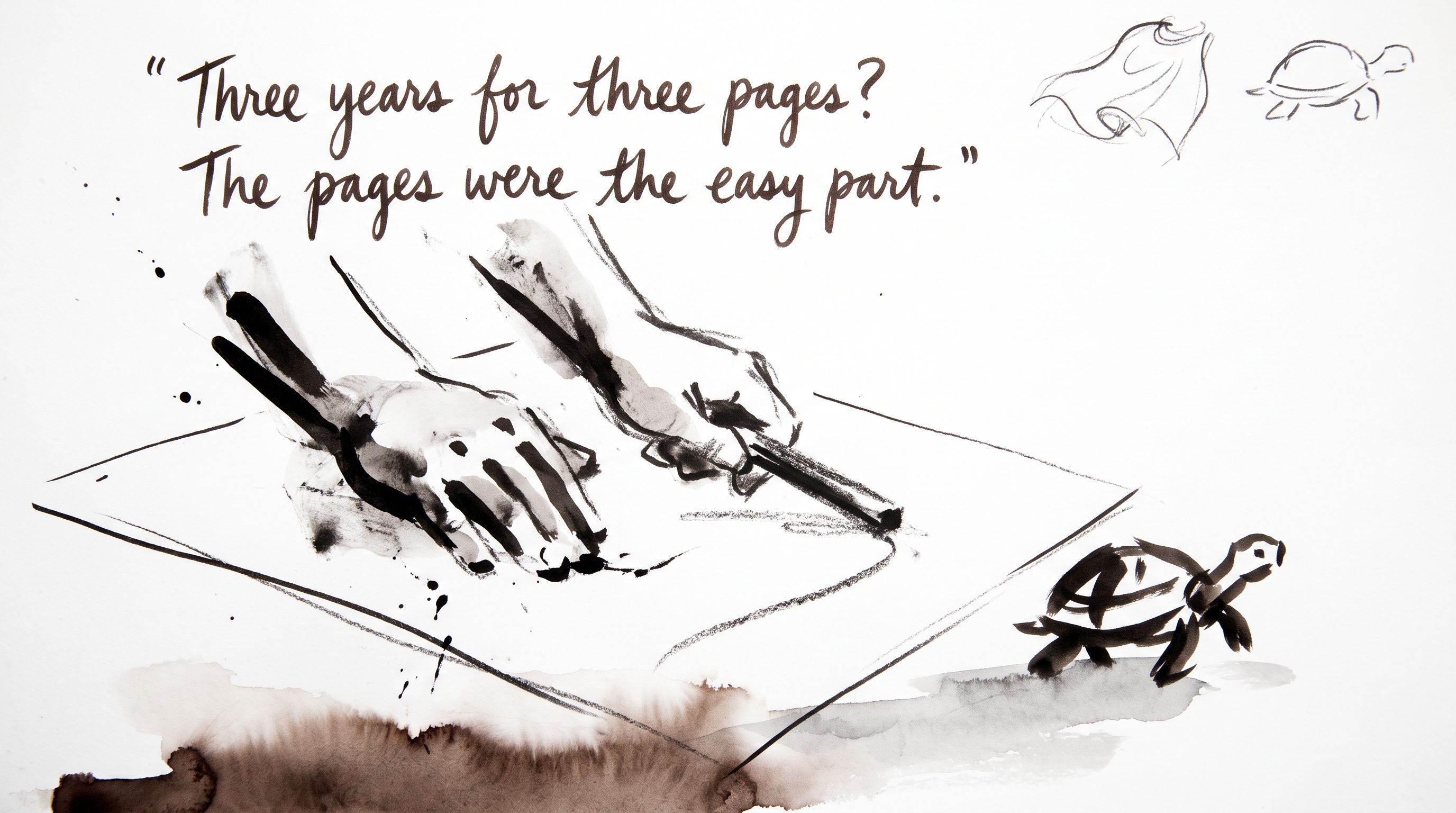
On Friday the FDA published three pages in the federal code — 21 CFR 870.2380 — describing what a cardiac AI has to prove.
The device that started it, Viz.ai’s Viz HCM, was authorized on August 3, 2023.
Three years. Three pages.
Now look at what’s actually in them. A test set independent from training. At least three geographically separate sites you didn’t train on. Performance reported per demographic subgroup, per site, per acquisition device. Human-factors testing for whether a tired person over-trusts the output.
None of that is engineering time.
That’s contracts, IRBs, enrollment, adjudication, waiting. Calendar time. It has not moved in twenty years and it is not going to move because you have a better model.
Here’s the uncomfortable arithmetic. The build got 100x faster. The evidence got 1x faster.
That gap is the whole opportunity, and it’s also the whole trap.
The trap is obvious once you say it out loud: you can now build fifty prototypes in the time it takes to validate one. So you will. Fifty weekends, fifty demos, nothing that anyone is allowed to use on a patient.
The opportunity is the same fact, held the other way round. Everyone can build it. Almost nobody will spend three years proving it.
So the scarce resource isn’t the idea anymore. It’s the willingness to still be working on the same idea in 2029.
Pick the one thing you’d stay with that long.
Then build it on a Saturday.
A win.
(Words: 251. A minute.)
“The test dataset must include a minimum of three geographically diverse sites, separate from sites used in training of the model.” — 21 CFR 870.2380
Dig deeper: the order itself. It’s three pages. Read it once and you’ll never write a validation plan the lazy way again.
2. MONEY
You’re not competing with the problem. You’re competing with a line item.
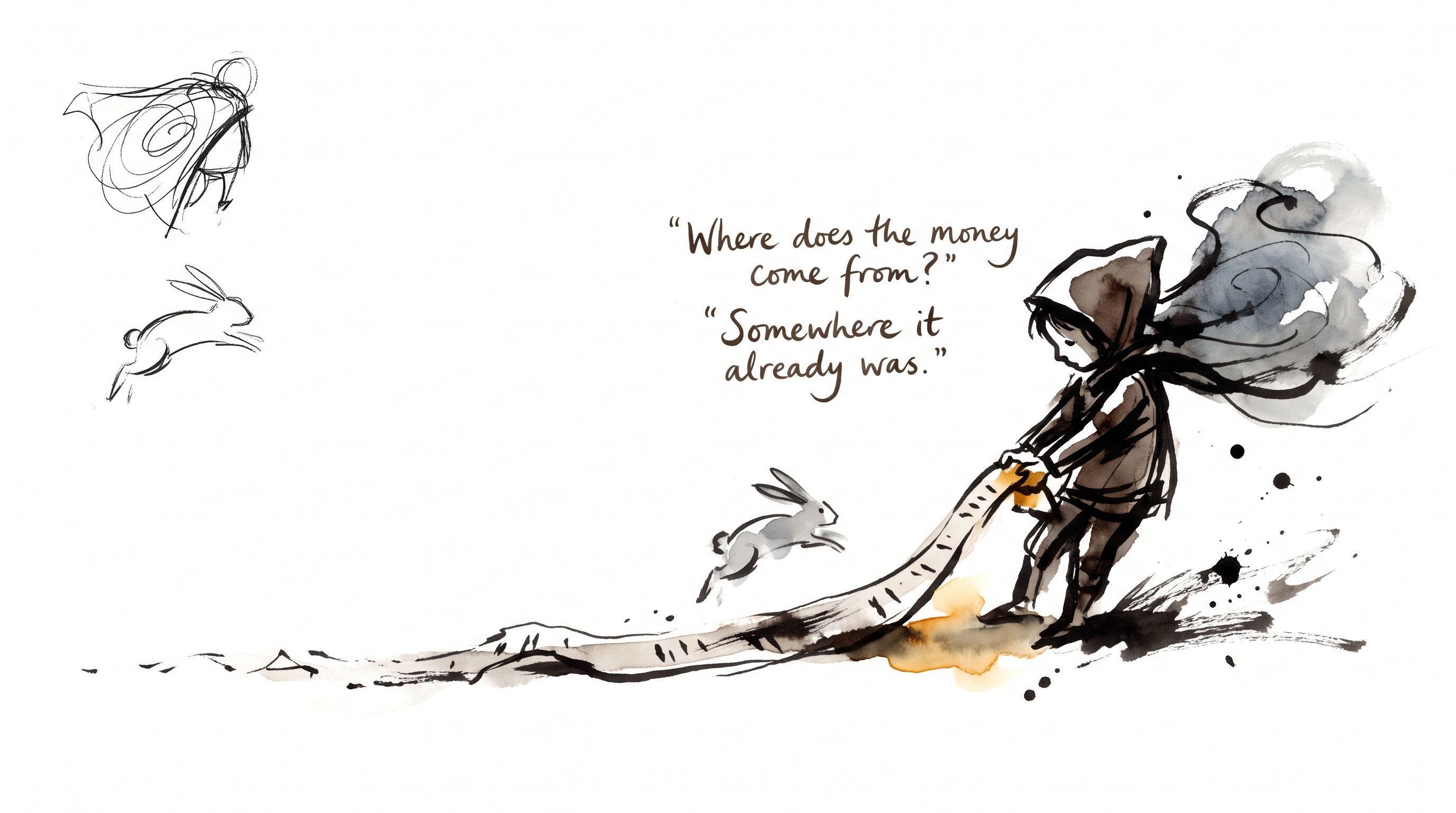
This week Mayo Clinic licensed CareCast — a workforce-demand forecaster it built inside its own walls — to the staffing company Trusted Health, for sale to other health systems. Mayo disclosed a financial interest.
Hold that next to something Ernest Grant, PhD, RN said the next day. Grant was the first man elected president of the American Nurses Association in its 130-year history, now a vice dean at Duke’s nursing school.
Nursing, he said, is “folded in on the room and board.”
Every other profession there bills for what it does. Nursing is priced into the bed.
Which explains a decade of confusion: nurse-facing software is the most obviously needed software in the hospital, and the hardest to sell.
No line item, no buyer.
Mayo didn’t solve that. Mayo went around it — selling the forecast to the company whose line item is labor, instead of a CFO with nowhere to book it.
That’s the move.
The pressure is real. Russ Branzell, who runs CHIME and hears from more health-system CIOs than almost anyone, said last week that systems have “run out of options from a financial pressures perspective” — several are working out how to offshore, or “even lay off hundreds or thousands of people.” His guest Andy Smith, who founded Impact Advisors, gave the other half: zero to 360 associates in Mexico City in three years.
So “saves a nurse thirty minutes” isn’t priced against a nurse. It’s priced against a nearshore associate at a third the cost.
Before you build, name the line that goes down.
A win.
(Words: 271. A minute, and a bit.)
Nobody buys a solution. They move money from one line to another and hope you were worth it.
Dig deeper: the Mayo/Trusted announcement. Read it as a distribution story, not a staffing story.
3. MOJO
All the work nobody asked for.

In 2008, Stephen Smith — an emergency physician at Hennepin County Medical Center in Minneapolis — started posting ECGs on a blog.
Not the obvious ones. The subtle occlusions — where the artery is blocked, the machine says normal, and the patient goes back to the waiting room.
Nobody assigned it. There were no RVUs. He just kept noticing the same thing getting missed, and kept writing it down.
Eighteen years. Thousands of cases, one at a time.
Last week the FDA authorized a device built on that judgment — Powerful Medical’s Queen of Hearts, which Smith trained to catch what the standard criteria miss. It came through de novo: the long door, the one only a handful of AI devices go through in a year.
Here’s what I keep turning over.
He wasn’t building a dataset. If you’d told him in 2008 that the blog was the moat, he’d have laughed, because in 2008 the moat was the model and the model didn’t exist yet.
He was just a guy who couldn’t stop noticing.
That’s the part you can’t buy, can’t prompt, and can’t catch up on. Compute is rentable. Engineers are hireable. Eighteen years of paying close attention to one specific way that people get hurt is not available at any price.
So the question isn’t what you should build.
It’s this: what have you been noticing for years that nobody asked you to notice?
Write that down. Publicly. Badly, at first.
You are already ten years into something. You just haven’t called it a dataset yet.
A win.
(Words: 265. A minute, just about.)
The stuff you do because you can’t help it is the only part of you that isn’t for sale.
Dig deeper: the blog. Start anywhere. It’s still going. And the authorization write-up, if you want the regulatory side of the same story.
Love this format for Saturdays? Hate it? Thinking “I wish it were _______”? Let me know at kevin@clinicians.build — I read every one.
— Kevin & AI
(please verify content for yourself, partially AI generated and may contain errors)