

In 2000, a Cornell psychologist and two colleagues asked college students to put on a T-shirt with Barry Manilow’s face on it.
Then walk into a room of other students. Then leave.
Afterward, each wearer guessed how many people in that room had noticed the shirt.
About half, they said.
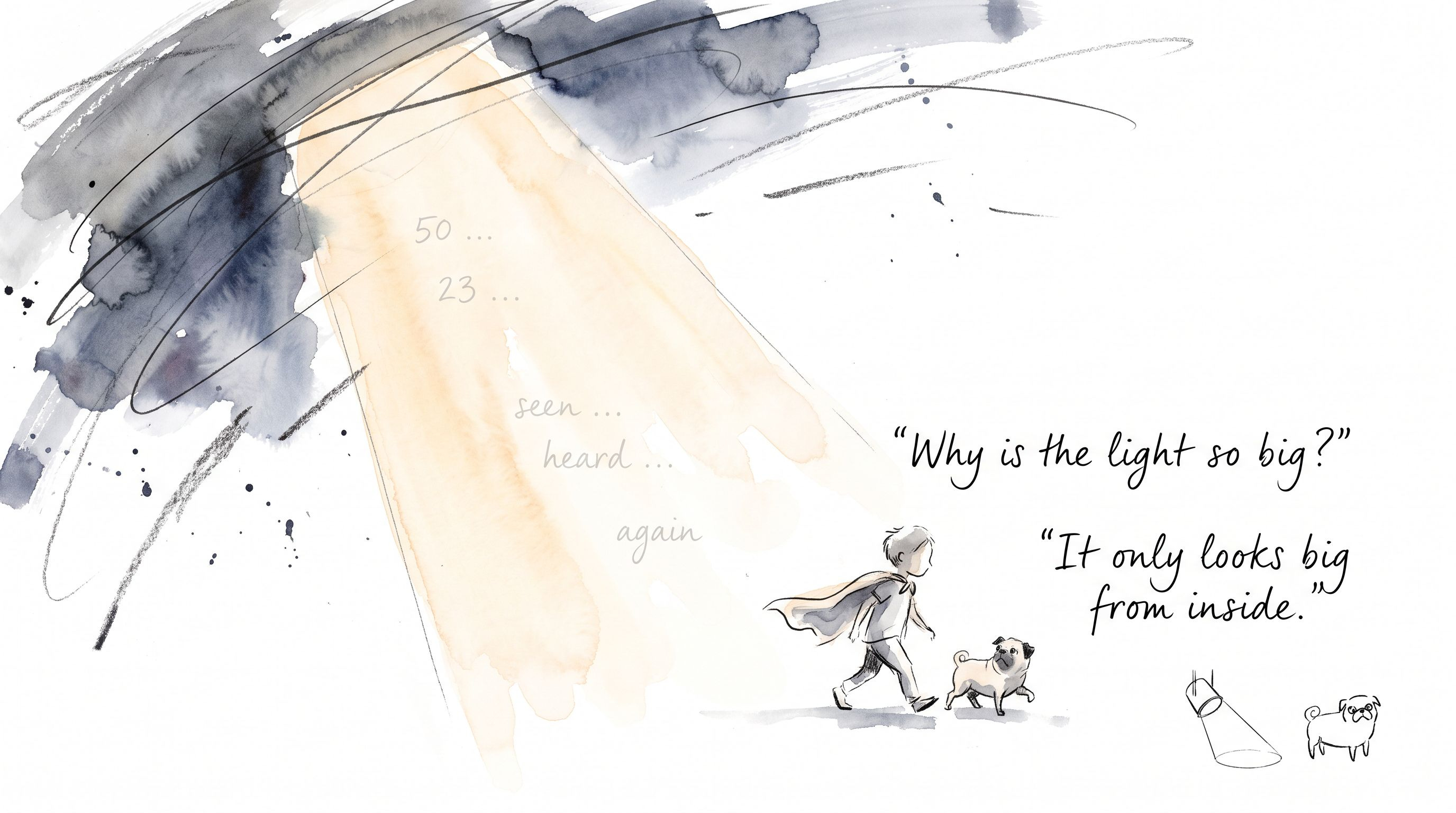
Psychologists call it the spotlight effect. You feel lit up. Everyone else is busy with their own thing.
I think about that shirt in almost every hospital meeting.
You think the whole AI committee remembers the question you fumbled.
Most of them were answering a page.
You think everyone saw the bug in your prototype demo.
Two people saw it. One of them wants to help fix it.
You think the CMO clocked that you can’t write Python.
She can’t either. She’s not thinking about yours.
You think posting your eval checklist in the department channel makes you “that AI person.”
Most people scrolled past. The one who didn’t is your next collaborator.
Here’s the half nobody mentions.
The spotlight cuts both ways.
If nobody noticed your stumble, nobody noticed your point either.
You said it once, back in the spring: before the inbox tool goes live, let’s read fifty of its draft replies to our own patients. You think it landed. You worry people are tired of hearing it.
Most of them heard it once, between pages. And nobody has read the fifty drafts.
You’re sick of your own point long before the room has heard it.
So the fix for both problems is the same. Say it again. Say it shorter. Say it to someone new.
Try one exercise.
Picture next Tuesday’s meeting without you in it.
The agenda moves. Someone asks a reasonable question. It isn’t yours.
That isn’t a sad thought. It’s a light one. The room isn’t grading you. It’s barely looking up.
Which means you can afford to look clumsy.
And you can’t afford to say it only once.
😤 “Easy for you to say. I’m the only nurse at that table.”
Then you’re the only one who knows what the night shift does with that alert, and they need to hear it at least twice.
TL;DR
Nobody noticed the shirt. Nobody remembers your point, either.
Stumble freely. Repeat yourself.
The tools your patients will live with are getting picked in rooms like that one, by people half-listening between pages.
Your clinical judgment is the scarce input. It only counts if it’s in the room, out loud.
You get a say.
Use it twice.
— Kevin & AI
(please verify content for yourself, partially AI generated and may contain errors)